
Prodacity 2026 Keynote Speaker
General Stephen N. Whiting
Commander, U.S. Space Command
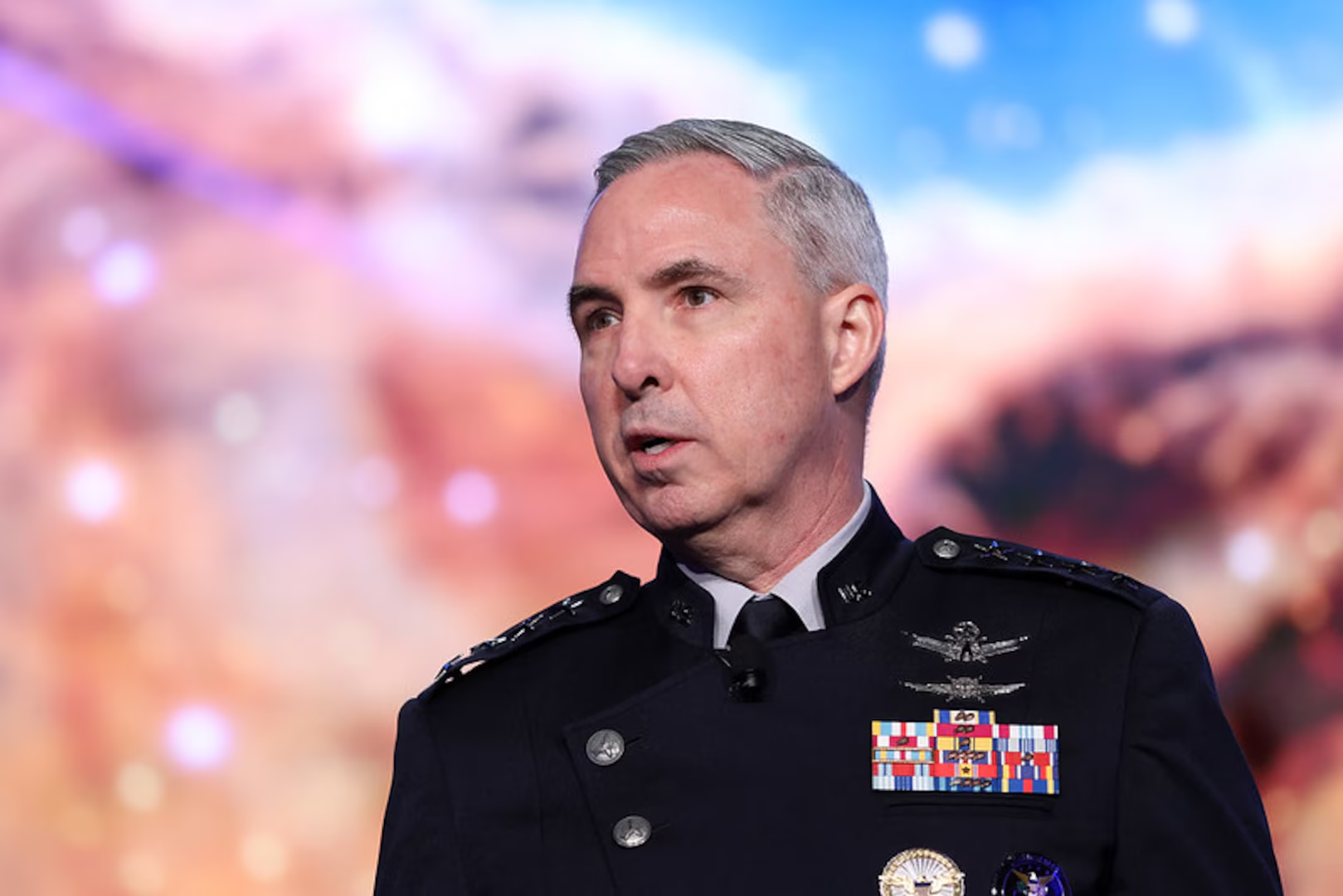
The future of space security depends on integrating AI-enabled software, resilient architectures, and strong government-industry partnerships to achieve and sustain space superiority.
In this keynote address, General Stephen Whiting outlines U.S. Space Command's strategy for achieving and maintaining space superiority in an increasingly competitive and contested space environment. He argues that software, artificial intelligence, and integrated networks are now critical enablers of military success, giving commanders the speed and decision advantage needed to deter conflict and, if necessary, win in space.
The speech centers on U.S. Space Command's Five Elements of Victory: operating through a first strike, rapidly transitioning from crisis to conflict, integrating capabilities across organizations, regenerating and sustaining forces, and achieving space superiority. Throughout each element, General Whiting emphasizes the need for resilient systems, rapid decision-making, and advanced software that can connect data, automate processes, and support commanders in real time.
A major theme is the importance of integration and partnership. General Whiting stresses that no single military service, government agency, or company can succeed alone. Instead, achieving space superiority requires close collaboration among the Department of Defense, allies, partners, and the commercial technology sector. He highlights the role of industry innovation in helping U.S. Space Command develop AI-enabled tools, improve operational awareness, and build more resilient space capabilities.
The speech concludes with a call for continued collaboration between government and industry. General Whiting identifies"integrated" as the one word that best represents U.S. Space Command's mission, underscoring the belief that future success in space will depend on connected systems, shared expertise, and strong partnerships.
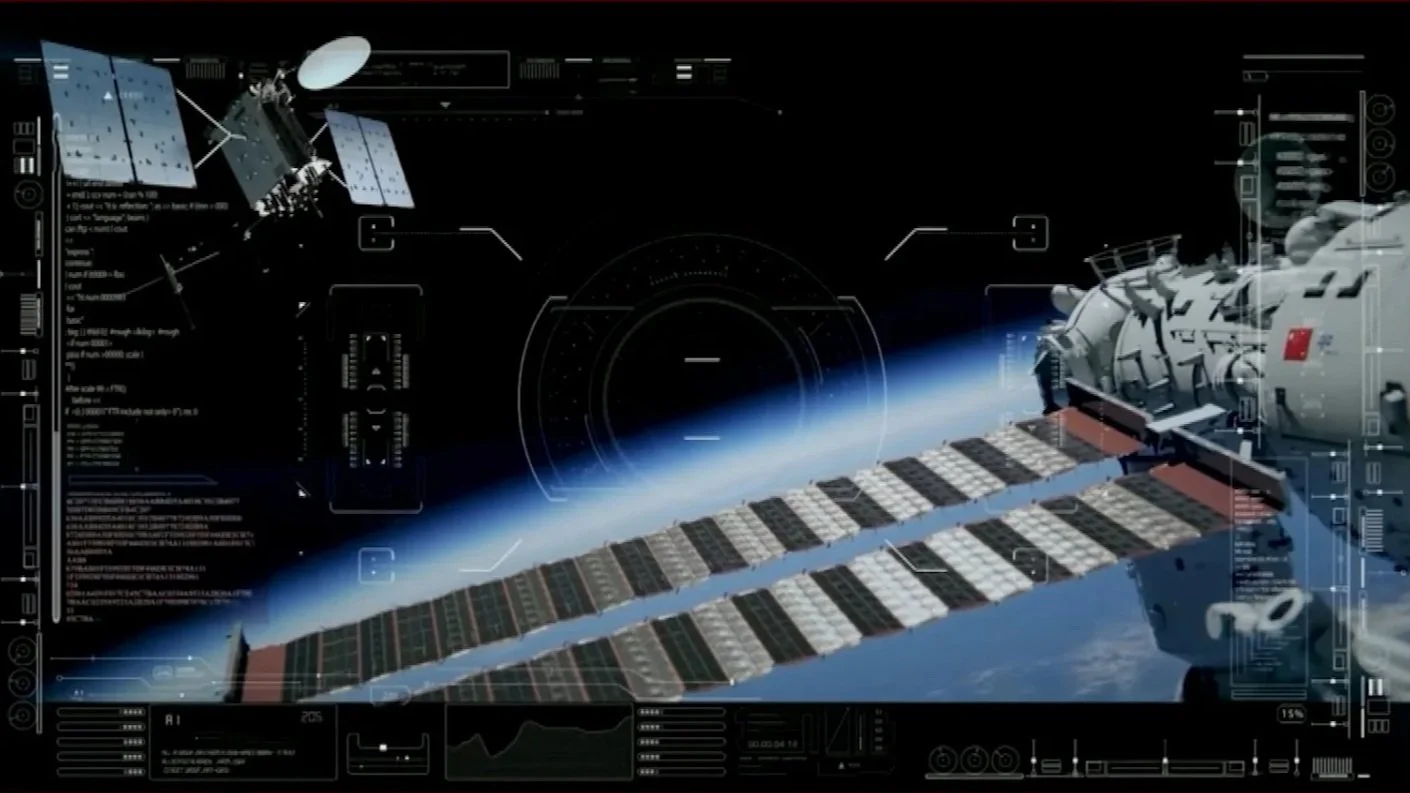

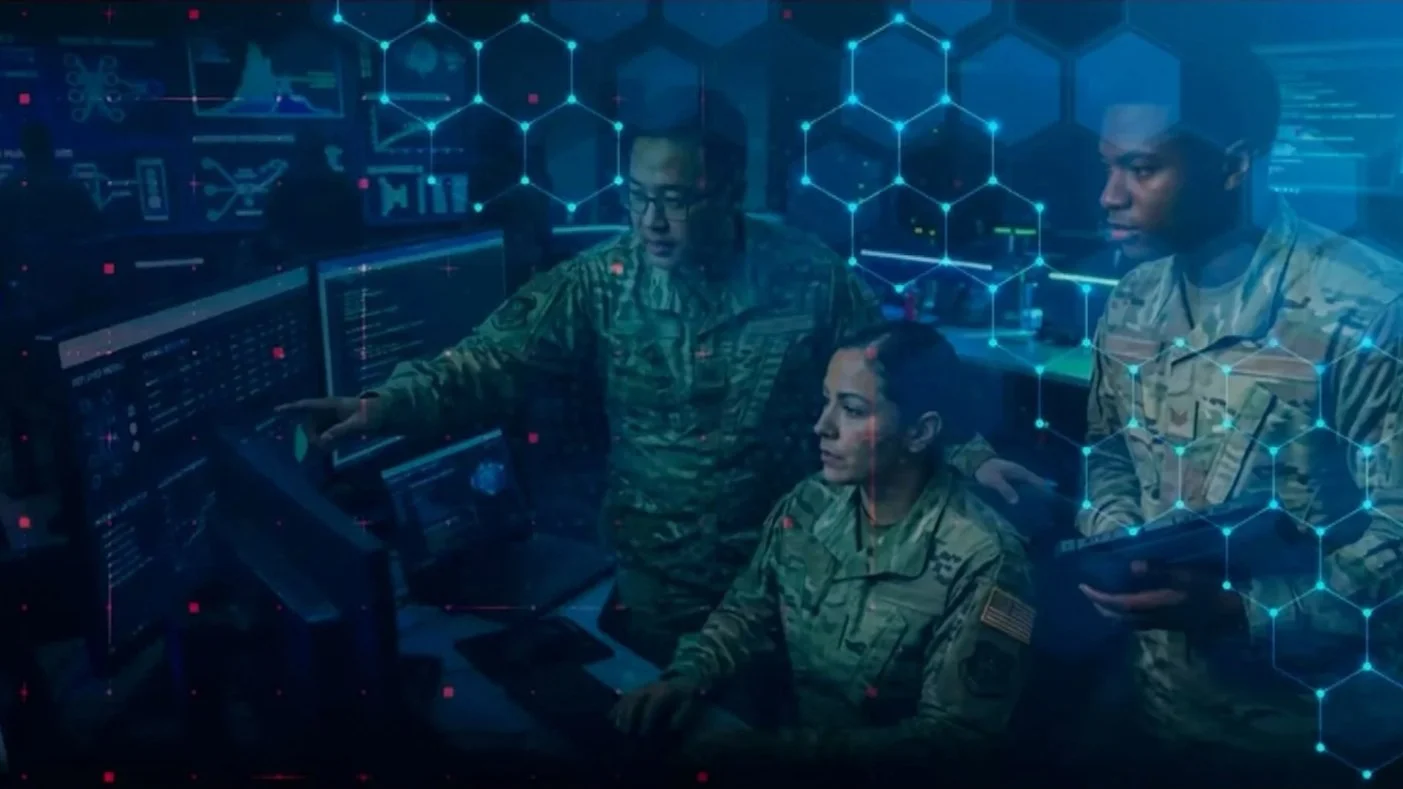
“I believe that software, AI and networks are the digital backbone that makes victory achievable and gives us a decisive advantage in space.”
-
Future space superiority will depend on the ability to process information faster, make better decisions, and act more quickly than adversaries. The speaker repeatedly describes software, AI, and networks as the "digital backbone" of success in the space domain.
-
Success in space cannot be achieved by any single organization. U.S. Space Command must integrate capabilities across military services, government agencies, allies, and commercial partners to create a force that is stronger than the sum of its parts.
-
The ability to absorb a first strike, operate through disruption, and continue fighting requires redundant architectures, distributed constellations, cyber defense, and adaptable command-and-control systems.
-
Space superiority is increasingly a race of processing speed. Commanders need AI-enabled tools that can rapidly detect threats, fuse data, provide options, and support decisions in seconds rather than hours.
-
The speech is a direct call to software developers, engineers, and technology companies to collaborate with U.S. Space Command. The innovation required to achieve the "Elements of Victory" will come from close cooperation between government and the commercial technology sector.
"Integrated is the perfect word for what we do."
Click below to download the entire speech in audio or text format.